
Home / Treatments / Ketamine
Ketamine Treatment
A Thoughtful Next Step When Depression Hasn’t Improved.
A Different approach to depression
How Ketamine Works
While many traditional medications act on serotonin or norepinephrine, Ketamine targets a receptor involved in glutamate signaling—a system that helps brain cells communicate and supports learning and memory.
Glutamate plays a role in neuroplasticity—the brain’s ability to adapt and form new connections.
Ketamine may support this process in brain circuits involved in mood, potentially helping relieve symptoms of depression. Scientists are still studying exactly how these changes contribute to its antidepressant effects.
Traditional Antidepressants:
4 - 6 Weeks
Ketamine ®:
Within Hours to Days
- Clear Steps. ThoughtFul Care.
your ketamine journey
01
Get to Know You
Discuss your symptoms, treatment history, medications, and goals during a clinical evaluation.
02
Plan Your Care
Review eligibility, insurance requirements, and appointment logistics before starting.
03
Settle into Treatment
Self-administer the nasal spray under supervision, followed by at least two hours of monitoring.
04
Follow Your Progress
Review your response with your clinician and personalize your ongoing treatment plan.
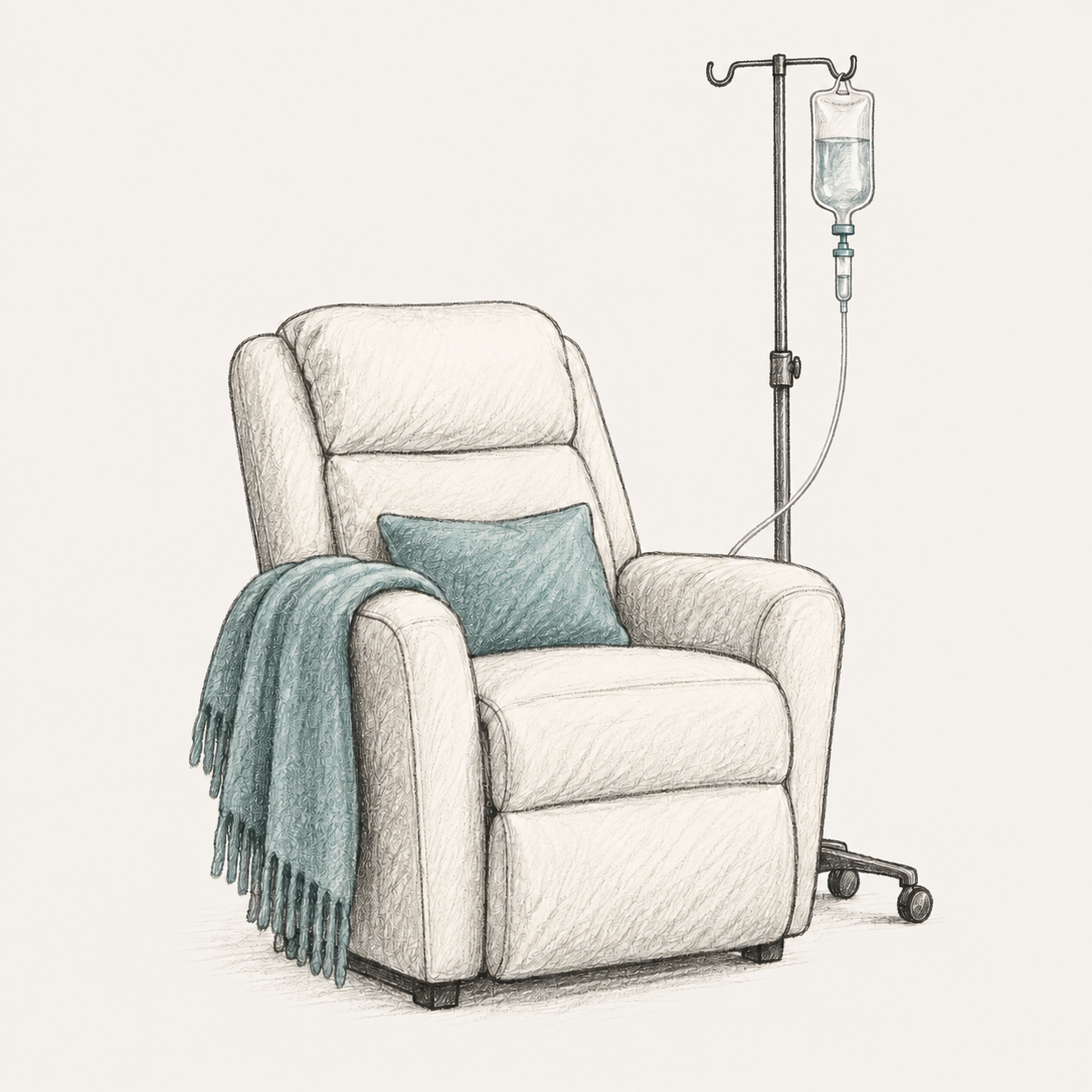
From First Treatment to Maintanence
Ketamine treatment timeline
Initial Course
Begin a series of infusions, with the number and spacing determined by your clinician.
Review Your Response
Assess changes in symptoms, daily functioning, and side effects before deciding on next steps.
Ongoing Care
If treatment helps, discuss whether further infusions and other ongoing care are appropriate.

The MedHaus Approach
Expertise with Room to Exhale.
Expert medical care. A calming space. Support at every step.
Physician-Led
Your treatment begins with a thoughtful medical evaluation. Our physicians review your history, guide your treatment plan, and assess your progress throughout care.
Personalized
We take time to understand how mental health affects your daily life—and what feeling better would mean for you. Your experience and goals help shape each next step.
Designed for Calm
Private treatment spaces, warm surroundings, and an attentive team help you settle into your visit. You have room to rest, ask questions, and feel supported.
FAQs
Your Questions, Answered.
What is ketamine therapy?
Ketamine therapy delivers ketamine through a small intravenous line under medical supervision. It may be considered for depression and other mental health conditions such as PTSD, anxiety, bipolar, and OCD that has not improved adequately with other treatments. Its use for depression is off-label.
How is ketamine different from traditional antidepressants?
What is the difference between IV ketamine and Spravato®?
What is neuroplasticity, and how does it relate to ketamine?
Who may be a candidate for ketamine therapy?
How should I prepare for treatment?
How is IV ketamine administered?
How long does a ketamine appointment take?
Can I listen to music or bring a blanket?
Can I drive or return to work after treatment?
How soon might I notice an improvement?
How often will I need ketamine treatments?
Will I still need antidepressants or therapy?
Is IV ketamine covered by insurance?
IV ketamine for depression is often a self-pay treatment because its use is off-label. Ask about current pricing before beginning care.
Will MedHaus coordinate with my psychiatrist or therapist?
Your Next Chapter Starts Here.
Take the first step toward feeling better with personalized, physician-led care designed around you.